Publisher Case Study: Maximizing Revenue with Mobile Ad Refresh
Looking to boost revenue from your existing traffic without cluttering your webpages? If you haven’t enabled ExoClick’s Ad Refresh feature on your Native mobile ad zones, you’re missing out on revenue potential.
Mobile traffic dominates the internet, and optimizing the user experience and ad space efficiency has become even more important for publishers. Instead of adding more Native zones, make your current zones work harder with Ad Refresh. In this article, we will examine 3 publisher case studies that demonstrate the value of implementing Ad Refresh with Native ads on mobile.
What is Ad Refresh and How Does It Work?
Ad Refresh is an automated feature that rotates ad content within a single ad zone during a user session. Rather than displaying one static ad, it serves multiple ads sequentially. When a user visits your mobile site, the initial ad loads, and after a set time, the ad zone refreshes to show a new creative to the same user.
This benefits both parties:
- For Publishers: It boosts viewable impressions and enhances the long-term yield of ad zones.
- For Advertisers: It offers more premium inventory opportunities and increases chances to bid on engaged traffic.
Ad Refresh and Native ads
Ad Refresh works with Banners and Native ad formats, its a particularly good fit for Native, which are customizable widgets featuring responsive images (JPG or PNG, various ratios available and a max 150KB), a short title (up to 50 characters), a description (up to 90 characters), and a brand name (up to 30 characters). Advertisers can also include short video thumbnails (up to 1.5MB, 16:9 ratio, max 10 seconds) if enabled by the Publisher. ExoClick’s Native ads are responsive across all devices, and using them with Ad Refresh provides a seamless, engaging user experience.
Mobile Ad Refresh: 3 Fast-Paced Publisher Case Studies
While many publishers default to longer cycles, accelerating your ad rotation can dramatically tap into increased user engagement. To demonstrate the real-world impact of a faster rotation strategy on mobile devices, we analyzed 3 distinct publisher implementations. Each publisher tested out Ad Refresh on their website’s mobile ad zones using an aggressive 30-second refresh interval, comparing metrics from 15 days before implementation against 15 days after activation.
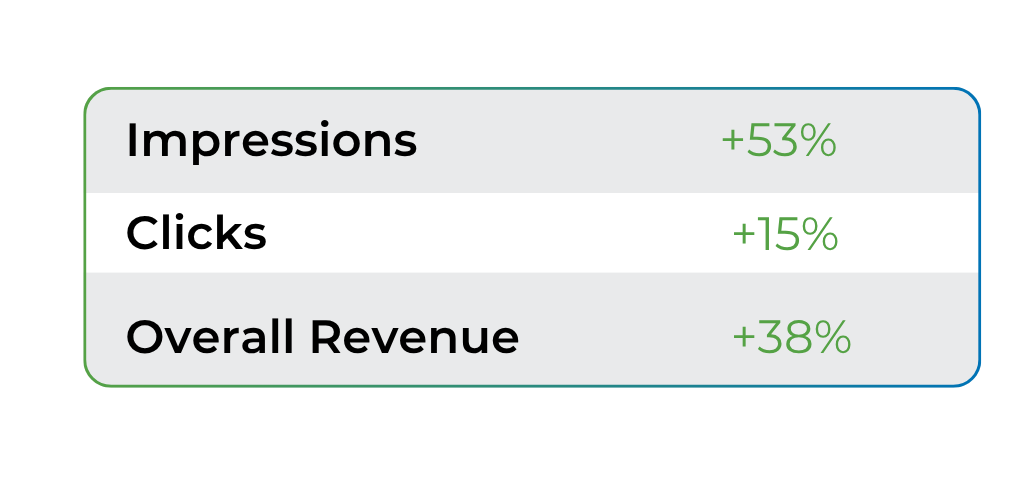
Case Study 1: Native Mobile Middle 2×2 Placements
Publisher 1 wanted to maximize revenue from users deeply engaged in reading or browsing through their primary content streams. They enabled a 30-second Ad Refresh strategy on their mid-page Native Mobile Middle 2×2 widget zones.
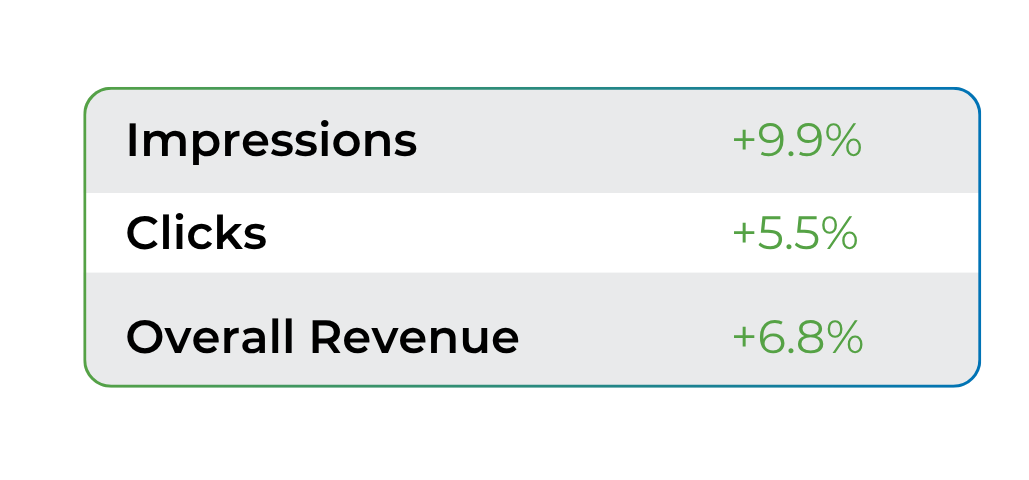
Case Study 2: Native Mobile Header Placements
Publisher 2 targeted premium, immediate-visibility real estate above the fold. They activated the 30-second Ad Refresh feature on their high-traffic Mobile Header zones to capture value right as users landed on the page.
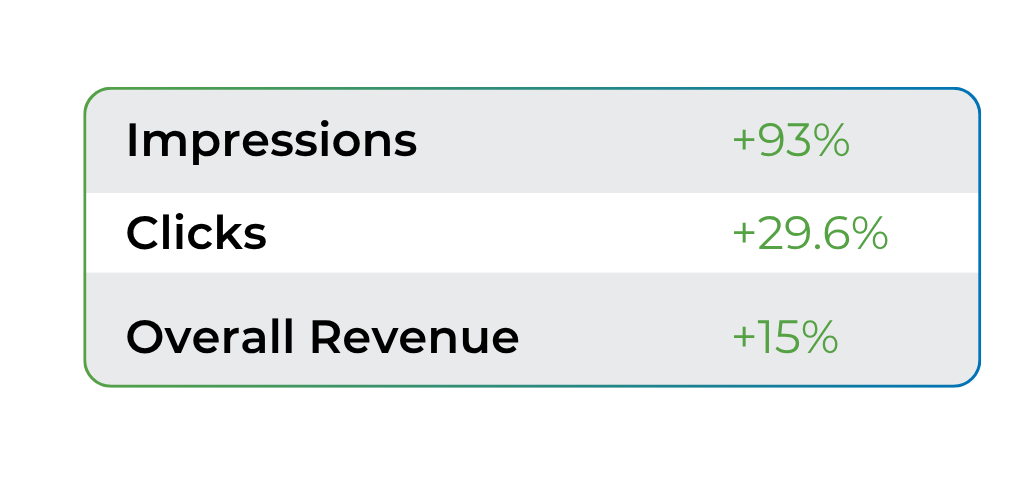
Case Study 3: Mobile Native 1×1 Widgets
Publisher 3 wanted to test a clean, singular focal point within a smaller ad space footprint. They implemented the 30-second automated rotation strategy directly on their Mobile 300×100 Native 1×1 ad zones.
Best Practices for Mobile Ad Refresh
To get the absolute best results when implementing Ad Refresh on your Native mobile layouts, keep these proven guidelines in mind:
- Expect Normal eCPM Fluctuations: Upon implementing Ad Refresh, your overall eCPM metrics might experience some mild decreases. This is completely normal! Because you are dramatically increasing the total volume of impressions served per session, leading to higher overall revenue and clicks.
- Use High-Engagement Placements: Ad zones placed near sticky elements, main content streams, or video content generate a significantly higher increase in impressions and clicks.
- Analyze User Time on Site: Ad Refresh thrives on deep engagement. Ad Refresh can rotate up to 10 ads per session, meaning the longer your average mobile user stays on a page, the more profitable that ad zone becomes.
- Keep Layouts Content-Friendly: Use responsive ad types like Native ads to ensure that when the ad rotates, it doesn’t shift your website content or cause accidental clicks.
- Keeping your site Compliant: ExoClick’s Ad Refresh fully adheres to Google and IAB Standards, giving you complete peace of mind regarding industry regulations while you optimize your ad zones.
- Compatible with Multi Format ad zones: You can use the Native Ad Refresh on Multi-format zones, giving you even more ways to increase your ad zone revenue with ExoClick.
Conclusion
Ad Refresh is a game-changing feature for mobile-first publishers looking to maximize their ad zones’ quality impressions and drive stronger advertiser demand. By ensuring your audience sees fresh, targeted campaigns throughout their visit, you beat ad fatigue and increase your revenue.
Are you ready to unlock the full potential of your mobile traffic? If you need assistance with integration, ask your Publisher Account Manager. If you haven’t joined ExoClick’s network yet, sign up here.
